


REVIEWS | DISEASES OF SMALL PETS
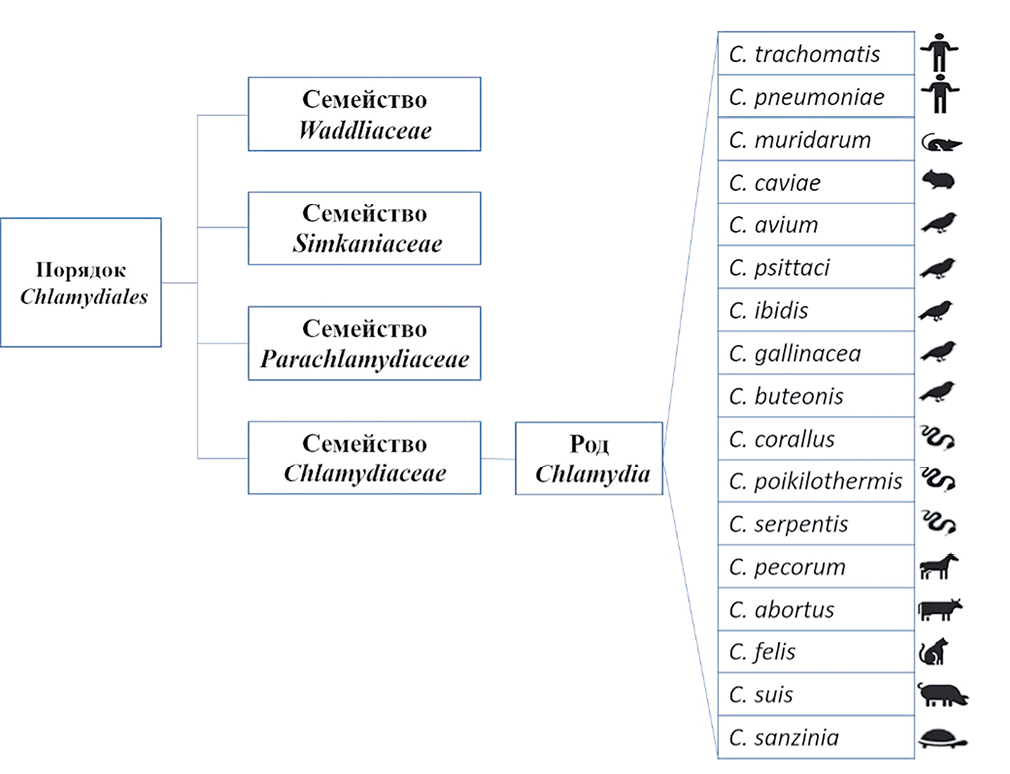
Introduction. Feline chlamydiosis is a disease caused by Chlamydia felis, it is characterized by conjunctivitis (unilateral or bilateral), lacrimation and lesions of the respiratory and reproductive tracts. This pathogen is a gram-negative bacterium with a strictly obligate intracellular parasitic nature. In the early 1940s, Chlamydia were considered an intermediate link between viruses and bacteria. Until the 1960s, Chlamydia were classified as viruses due to their small size and inability to grow on artificial nutrient media. Their unique two-phase developmental cycle allows the pathogen to persist in the body of an animal or human for a long time without clinical manifestations. Treatment of chlamydiosis must be systemic, addressing both etiological therapy (use of antibiotics) and symptomatic therapy. Immunity against chlamydiosis is weak, with cellular immunity being more important than humoral immunity. Currently, both attenuated and inactivated vaccines are available on the market, which can protect against the clinical manifestation of the disease but not against infection. Chlamydiosis is a globally widespread disease, with detection rates showing a consistent year-on-year increase.
Objective. To review and systematize current data on feline chlamydiosis caused by Chlamydia felis.
Results. The article reviews global prevalence data of feline chlamydiosis. It examines the biological properties of the infectious agent, the clinical signs of the disease, and the pathological findings. Data on immunity are presented, and disease control measures are discussed.
Conclusion. Chlamydia felis is a worldwide spread pathogen capable of infecting not only cats and other animals but also humans, which indicates its zoonotic potential. Such factors as complex life cycle, adeptness at host immune evasion and ability to establish persistent infections hinder its effective eradication. The required extended treatment regimens and propensity for chronic infections compromise companion animal welfare and pose a risk of transmission to humans. A more profound understanding of Chlamydia felis pathogenesis is essential for developing effective treatment and prevention strategies.
ORIGINAL ARTICLES | FOOT-AND-MOUTH DISEASE
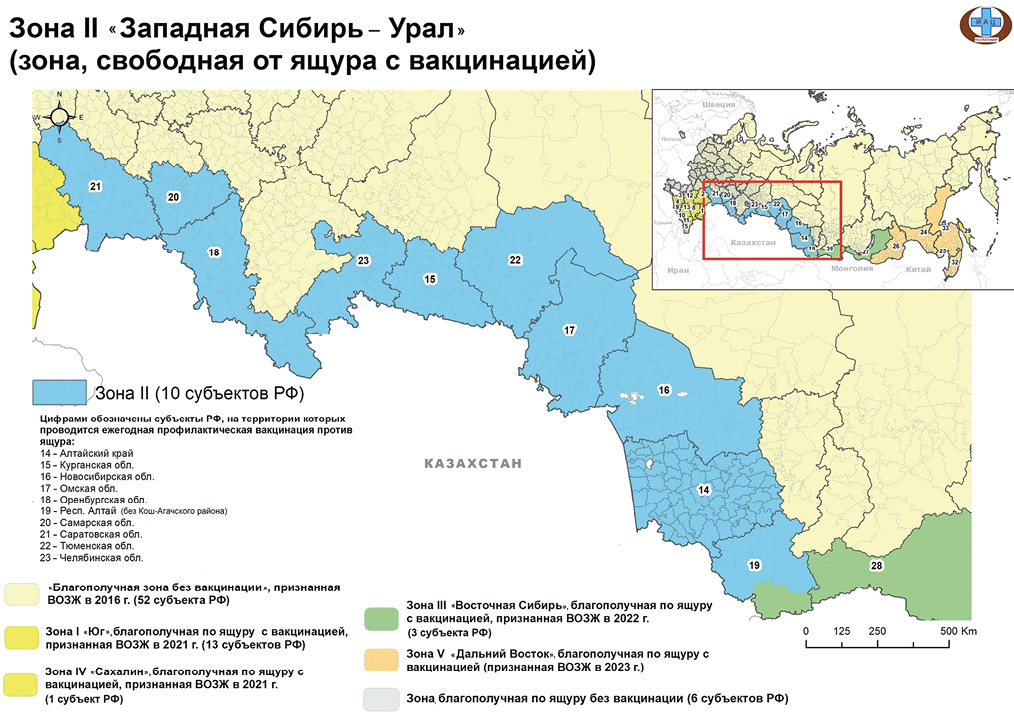
Introduction. Foot-and-mouth disease is one of the key threats to global animal welfare and international economic relations. Like any other transboundary animal disease, it shall be notified to the World Organisation for Animal Health (WOAH) in accordance with the relevant international standards. By 2016, the largest part of the territory of the Russian Federation (i. e. 50 subjects and 2 federal cities) had been recognized by the WOAH as an FMD-free zone without vaccination. From 2021 to 2023, 4 more zones of the country were granted the status of freedom from foot-and-mouth disease with vaccination. At the end of 2024, only 10 subjects of the Russian Federation, all located within zone Western Siberia – Urals, lacked official recognition.
Objective. Descriptive analysis of the animal health situation in the Russian Federation from 2021 to 2024: substantiating success of the Rosselkhoznadzor’s systematic approach to regionalization in accordance with the WOAH Terrestrial Animal Health Code.
Materials and methods. Various information sources were used to collect and analyze materials on the animal health situation in Russia, including the USSR archives, veterinary reports, and the WOAH statistics.
Results. FMD situation was analyzed in 10 subjects of the Russian Federation bordering on the Republic of Kazakhstan, with an emphasis on FMD control measures, regionalization and zoning. This section focuses on distribution of statuses across Russia’s administrative subjects and the historical records on the disease outbreaks. It also outlines regulatory and surveillance measures implemented by the Federal Service for Veterinary and Phytosanitary Surveillance (the Rosselkhoznadzor) to manage the FMD status in various regions, taking into account the prophylactic measures implemented in place. The paper describes these measures and their results step-by-step, showing a dynamic improvement of the FMD surveillance system.
Conclusion. On 29 May 2025, at the 92nd WOAH General Session of the World Assembly of Delegates, Zone Western Siberia – Urals was officially recognized as a foot and-mouth disease-free zone with vaccination. This decision completes the process of structuring the territory of the Russian Federation into 6 zones. The WOAH-granted disease-freedom statuses confirm efficacy of the preventive and surveillance measures, which is crucial to ensure global epizootic stability. These accomplishments result from the efforts jointly taken by the Rosselkhoznadzor and its subordinate institution the Federal Centre for Animal Health.
ORIGINAL ARTICLES | BOVINE DISEASES
Introduction. The problem of bovine leukosis on breeding farms in the Republic of Dagestan has been a pressing issue since the mid-1960s. Due to the fact that the coverage of planned serological testing did not exceed 1–2% of the existing population of susceptible animals, there was no clear understanding of the scale of leukosis spread.
Objective. Analysis of the current situation regarding the spread of bovine leukosis on breeding farms in the Republic of Dagestan.
Materials and methods. Animals infected with the bovine leukemia virus were identified using the agar gel immunodiffusion test (AGID). Animal disease control measures were assessed in accordance with the new “Veterinary Rules for the Implementation of Preventive, Diagnostic, Restrictive and Other Measures as well as for the Imposition and Release of Quarantine and Other Restrictions Aimed at Containing Bovine Leukosis as well as at Eradicating its Outbreaks” approved by Order No. 156 of the Ministry of Agriculture of Russia of March 24, 2021.
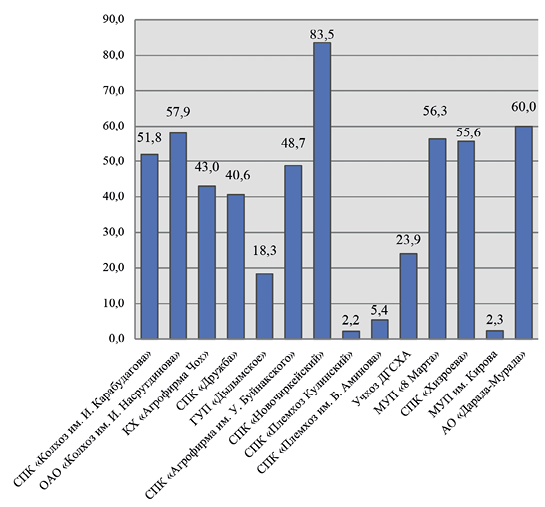
Results. The bovine leukemia virus infection rate in animals in the period 2009–2017 ranged from 0.1 to 77.3%. With the adoption of the subprogram “Prevention and Eradication of Bovine Leukosis on Farms in the Republic of Dagestan” (2018–2020) under the republican target program, serological testing coverage has increased by more than 5.7 times over the past seven years, and the detection rate of new seropositive animals has decreased from 23.6 to 0.1% in 2024.
Conclusion. Epizootological analysis revealed a heterogeneous structure and dynamics of the bovine leukosis spread in cattle. The system of measures aimed at prevention and eradication of bovine leukosis in cattle implemented in the Republic of Dagestan has led to sustainable stabilization of the disease situation and a reduction in the infection rate in animals on breeding farms. Owing to the veterinary service’s systematic efforts to eradicate the viral infection, breeding farms are now completely free from bovine leukosis. Health improvement work, including the use of serological diagnostics and immediate culling of AGID-positive animals, continues.
Introduction. Respiratory diseases are widespread on livestock farms, especially in high-yielding animals, and they are particularly severe in young animals. Non-specific bronchopneumonia in calves is caused by a combination of factors including opportunistic respiratory microbiota, which can become pathogenic under unfavorable conditions, overcrowding, nutritional imbalances, stress, drafts, noise, other environmental stressors as well as compromised immunity in newborn animals.
Objective. Immunological control of aerosol phytotherapy of acute catarrhal bronchopneumonia for its effectiveness in calves.
Materials and methods. One – three month-old calves with acute catarrhal bronchopneumonia (n = 60) were used for the study. The calves were divided into three test groups, 20 calves per group. Blood samples were collected from the diseased animals before the start of treatment, as well as on day 7 and 12 after treatment and used for immunological tests.
Results. Aerosol administration of Hypericum perforatum extract, herbal product, in the complex treatment of calves with acute catarrhal bronchopneumonia demonstrated high efficacy compared to two other treatment regimens. In the test group receiving phytotherapy overall clinical improvement was observed as early as on (4.90 ± 0.64) day, which was 47.0% faster than in the group where animals were treated according to the treatment regime routinely used on the farm. Furthermore, the calves in this group demonstrated a faster recovery of appetite, consumed feed more readily, their coats became smooth and shiny, and their cellular and humoral immunity levels, as well as their pro-inflammatory cytokine levels reached the reference levels of clinically healthy animals by day 12 and day 7, respectively.
Conclusion. While all three regimens for acute catarrhal bronchopneumonia were effective, the aerosolized Hypericum perforatum extract produced the best results. Calves receiving this treatment showed the most significant improvements in cellular and humoral immunity, along with the reduction in pro-inflammatory cytokine levels.
Introduction. Fascioliasis is highly prevalent in the North Caucasus lowlands, infecting 37–46% of adult buffaloes; however, the critical drivers of infection – seasonality and host age – are poorly understood.
Objective. Investigating seasonal and age-related fascioliasis dynamics in buffaloes kept in the lowland zones of the Republic of Dagestan.
Materials and methods. To investigate the spread of fascioliasis in the lowland Babayurt region, a total of 240 fecal samples from buffaloes aged one year and older, 20 liver samples, and 1,428 pond snails (Lymnaea palustris, Lymnaea stagnalis, Lymnaea auricularia, and Lymnaea truncatula) were collected. Parasites were detected using both antemortem (coproscopy) and postmortem (helminthological autopsy of the liver and gallbladder) methods.
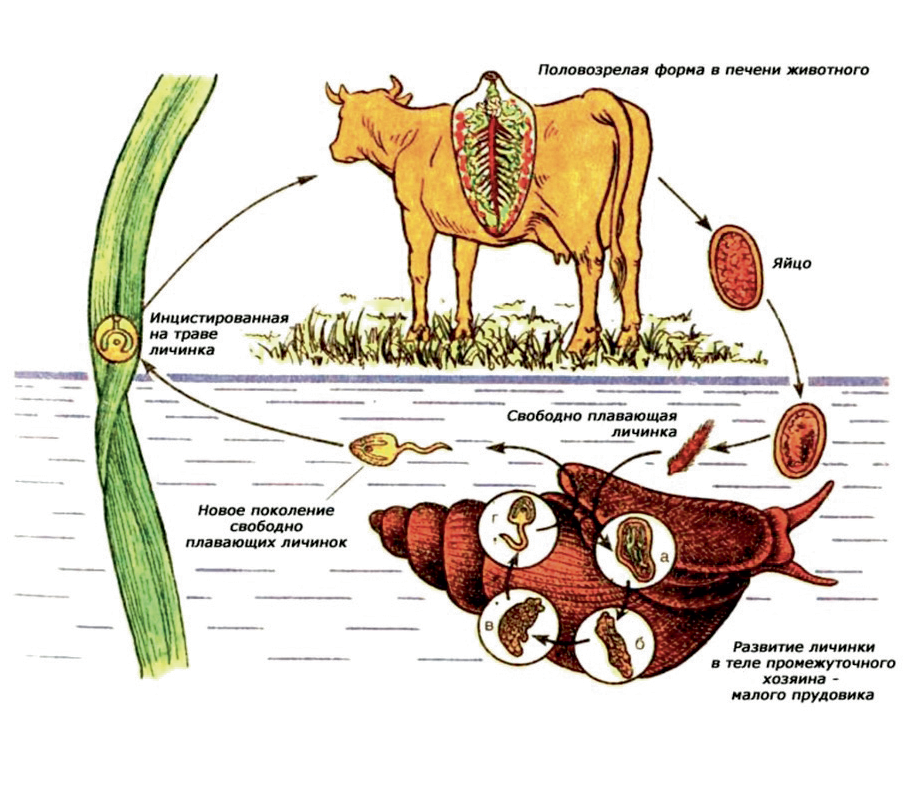
Results. A high prevalence of fascioliasis was established in adult buffaloes of the lowland zone, a phenomenon attributable to the cumulative nature of parasitic infection. Infection rates demonstrated significant seasonal variation, peaking in December (60%) and reaching a minimum in June (40%). A marked increase in both prevalence and intensity of infection was observed from August to November, likely driven by a seasonal rise in the population of infected intermediate hosts on pastures. Among the gastropods studied (L. palustris, L. stagnalis, L. auricularia, and L. truncatula), larval stages of fasciola were found exclusively in the dwarf and great pond snails, confirming their role as the key intermediate hosts in this region.
Conclusion. Understanding the regional epizootology of buffalo fascioliasis is crucial for developing effective control strategies against this zoonosis. Our findings, which elucidate the local dynamics of the parasite’s life cycle, provide a foundation for targeted prevention measures tailored to the specific conditions of the area.
ORIGINAL ARTICLES | DISEASES OF SMALL PETS

Introduction. Transboundary and emerging infections of cattle and small ruminants, such as peste des petits ruminants, Schmallenberg virus infection, etc., pose a serious animal health and economic threat in the context of developing globalization. Given the current geopolitical situation, the need for modern domestically produced diagnostic systems is particularly acute. Such systems can be developed using genetic engineering methods.
Objective. Analysis of domestic and foreign publications on the production of recombinant proteins of pathogens of transboundary and emerging infections of cattle and small ruminants. Creation of genetic constructs based on the processed data for further development of diagnostic tools, in particular ELISA test systems.
Materials and methods. Using bioinformatics tools, codon composition of the sequences encoding the nucleocapsid proteins of peste des petits ruminants virus (PPRV) and Schmallenberg virus (SBV) was analyzed and optimized. The optimized gene fragments were synthesized de novo and cloned into the pET-32b(+) expression vector. Successful insertion of the target sequence into the vector was confirmed by polymerase chain reaction and restriction analysis.
Results. Information on ELISA test systems developed on the basis of recombinant antigens for the diagnosis of peste des petits ruminants and Schmallenberg virus infection is presented. The main technological aspects of obtaining recombinant antigens for their further use in a diagnostic system factored in the biological features of a particular pathogen are highlighted. Our proprietary methodology for creating protein expression vectors for the pathogens of the diseases under review is additionally described.
Conclusion. The most promising recombinant antigens for use in ELISA test systems designed to detect antibodies against PPRV and SBV are full-length and truncated virion nucleocapsid proteins. Furthermore, the biophysical properties and antigenic structure of these proteins enable their production in Escherichia coli. It should be noted that production of significant amounts of functional proteins in soluble form may require their expression as part of fusion proteins with tags enhancing solubility and facilitating correct folding.
ORIGINAL ARTICLES | PORCINE DISEASES
Introduction. Modern pig farming in Russia is showing steady growth, which is accompanied by the introduction of new technologies aimed at increasing productive performance and reducing dependence on antibiotics. This causes increased interest in biologically active products with immunostimulatory and immunomodulatory properties. Multiple studies confirm their positive effect on the intestinal microflora, immune status and overall productive performance of animals. However, the morphofunctional and biochemical aspects of the action of these agents remain understudied, which highlights the necessity of further research in this field.
Objective. To justify the expediency of using immunomodulatory drug Immbaclys S for pigs during grower stage based on the analysis of the published resources and experimental data.
Materials and methods. Sixty biological samples (blood) collected from grower pigs on the commercial pig farm in Kolomna Municipal Okrug, Moscow Oblast in April – July 2024 were studied. The samples were tested using enzyme-linked immunosorbent assay, flow cytometry, and microscopy. The data was processed using the statistical analysis software Statistica v.13.0.
Results. Course administration of Immbaclys S to grower pigs (22–113 days old) induced statistically significant enhancements in cellular and humoral immunity markers, including elevated T- and B-lymphocyte counts, neutrophil phagocytosis, and IgG/IgM levels, demonstrating activation of immune defense pathways.
Conclusion. The dynamics of the parameters throughout the study period indicate a cumulative effect of the drug, particularly with respect to the relative count of B-lymphocytes and the level of IgM, which may suggest its prolonged action upon repeated administration. These findings position Immbaclys S as an effective immunoprophylactic agent with potential for incorporation into veterinary health programs to control and prevent immunodeficiency in intensively reared young pigs.
ORIGINAL ARTICLES | AVIAN DISEASES
Introduction. Newcastle disease is a highly contagious viral infection of birds that is reported in many countries around the world. Newcastle disease cases shall be notified to the World Organization for Animal Health.
Objective. The objective of this research is to ensure monitoring of Newcastle disease using serological methods and analyze the findings obtained for 2023–2024 in the Russian Federation.
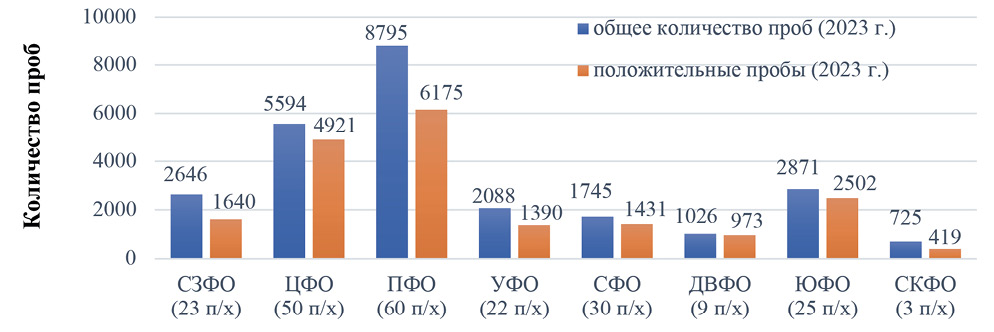
Materials and methods. The Territorial Administrations of Russian Federal Service for Veterinary and Phytosanitary Supervision sampled biological material in 74 subjects of the Russian Federation (more than 66,700 samples of avian sera). Tests for antibodies to Newcastle disease virus were conducted at the Reference Laboratory for Avian Viral Diseases, housed within the Federal Centre for Animal Health (Vladimir, Russia). Enzyme-linked immunosorbent assay and hemagglutination inhibition assay were performed using diagnostic kits manufactured by the Federal Centre for Animal Health.
Results. The conducted tests revealed significant variations of seroprevalence in commercial and backyards poultry flocks and in wild birds. High Newcastle disease virus seroprevalence was observed in chickens and turkeys within closed commercial farming systems due to routine mass vaccination against the disease. At the same time, the overall seropositivity rate for all poultry species was 74% in 2023, increasing to 81% in 2024. In backyards, antibodies to Newcastle disease virus were detected in 35% of all the tested sera samples from chickens and turkeys in 2023 and in 53% of the tested samples in 2024. Specific antibodies were also detected in samples from the vaccinated guinea fowl and pheasants and from non-vaccinated geese and ducks. Antibodies to Newcastle disease virus were also detected in wild birds across several Russian regions, suggesting their role of a natural reservoir for Newcastle disease virus strains of varying pathogenicity.
Conclusion. Therefore, the monitoring data indicate that routine flock vaccination helps to control successfully Newcastle disease in commercial poultry flocks, creating a stable epizootological situation. However, a significant risk of Newcastle disease virus introduction and spread from infected backyard poultry and wild bird reservoirs still persists.
Introduction. Newcastle disease is a notifiable disease and is a major threat for commercial poultry. There are many known genotypes of the Newcastle disease virus (NDV), which differ in virulence. In recent years, there is an increasing interest in NDV genotype VII that stems from its prevalence and high pathogenicity in chickens and other species of commercial poultry, causing severe disease with up to 100% mortality.
Objective. Investigation of the infectious process and other clinical and post-mortem signs in chickens infected with Newcastle disease virus via different routes.
Materials and methods. Thirty-day-old chicks were experimentally infected with NDV genotype VII via three different routes: intranasal, oral and intramuscular. Forty eight hours post infection, six intact chickens were introduced in each group. Over the next 10 days, the clinical condition of the infected and contact poultry was assessed. Oropharyngeal and cloacal swabs were collected and tested by polymerase chain reaction. Dead chicks were subjected to post-mortem examination.
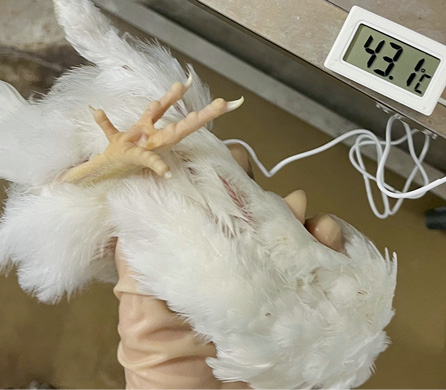
Results. The experiment demonstrated that NDV/chicken/rus/Saratov/2403-3/22 isolate causes poultry mortality within 5–7 days. Intramuscular infection led to faster disease progression and death in poultry compared to oral or intranasal routes. The NDV genome was identified in samples of oropharyngeal and cloacal swabs tested by polymerase chain reaction. While nonspecific signs of the disease were recorded in all individuals, the predominant clinical presentation varied with the infection route. Pronounced neurological symptoms were observed in birds infected via the intramuscular and oral routes. In contrast, respiratory signs were characteristic of infections via the oral and intranasal routes. The autopsy results indicate that specific pathological signs characteristic of Newcastle disease developed within 24 hours of the disease onset. A number of post-mortem lesions were found in the internal organs of individuals that died early. However, these lesions were not informative for a diagnosis of Newcastle disease.
Conclusion. The Newcastle disease virus NDV/chicken/rus/Saratov/2403-3/22 strain (genotype VII) was pathogenic to chickens during experimental infection. The disease was easily reproduced by intramuscular, intranasal, and oral routes of infection and was characterized by a peracute course with respiratory and neurological symptoms.
ORIGINAL ARTICLES | VETERINARY MICROBIOLOGY
Introduction. Currently, there is a need to develop a unified strategy for rational antibiotic therapy, including monitoring the sensitivity of microorganisms, medicinal product rotation, and the use of alternative treatment methods to reduce the spread of antibiotic-resistant bacterial isolates.
Objective. Identification of bacterial pathogens that cause mastitis in cows, with an assessment of their resistance to antimicrobial medicinal products used at a livestock farm located in Sverdlovsk Oblast, for subsequent rotation of antimicrobial agents and the development of individual recommendations.
Materials and methods. The research was conducted in 2022–2024 on the basis of an agricultural farm located in Sverdlovsk Oblast. The identification of grown colonies was performed using MALDI-ToF mass spectrometry, susceptibility to antimicrobial medicinal products was determined by the disk diffusion method, and antibiotic resistance genes were detected by qPCR.
Results. In 2022, test results showed the presence of Streptococcus spp. (70.6%), Escherichia coli (52.9%), Staphylococcus aureus (35.3%), and Streptococcus agalactiae (23.5%) in breast secretions. Isolates of Escherichia coli and Staphylococcus aureus were resistant to several groups of antimicrobial medicinal products: aminoglycosides, penicillins, tetracyclines and fluoroquinolones (ciprofloxacin), and vancomycin. Resistance genes were identified: blaDHA, blaCTX-M, and blaOXA-10 in Escherichia coli (5%); ErmB in the group of bacteria Staphylococcus and Streptococcus (4%); MecA in Staphylococcus aureus (isolated cases). Upon repeated testing in 2023, it was observed that all isolated bacteria (Staphylococcus aureus, Escherichia coli, Enterobacter spp., Streptococcus spp., Enterococcus faecalis/faecium) were sensitive to all antimicrobial medicinal products. The blaVIM and blaNDM genes were detected in one Pseudomonas aeruginosa isolate. The test results obtained in 2024 showed the predominance of Escherichia coli and Staphylococcus spp. (100%), Klebsiella pneumonia (30%), Enterobacter spp. (20%), Enterococcus faecalis/faecium (10%) in breast secretion samples. Eight different antimicrobial resistance genes were identified, along with the detection of carbapenem-resistant bacteria and vancomycin-resistant Enterococcus spp. (VanB gene). Based on laboratory tests conducted in 2022–2024 at a livestock farm in Sverdlovsk Oblast, measures to control antimicrobial resistance in bovine mastitis pathogens have been developed and tested.
Conclusion. Replacement of outdated treatment regimens (tetracyclines, aminoglycosides, cephalosporins of the II generation) with cephalosporins of the I/III/IV generations and fluoroquinolones temporarily reduced resistance. However, reverting to the previous protocols in 2024 caused a sharp increase in multidrug resistance. Therefore, recommendations have been provided. These include continuous monitoring of pathogen resistance, strict adherence to antibiotic rotation schedules, long-term application of the revised treatment protocols, and the implementation of additional molecular genetic methods to detect bacterial resistance genes. These measures are aimed at controlling the situation at the livestock farm.
Introduction. Listeria-contaminated food remains an ongoing concern. Consumption of raw or undercooked animal-derived products contaminated with pathogenic Listeria results in human infection. The Federal Service for Surveillance on Consumer Rights Protection and Human Wellbeing (Rospotrebnadzor) documented 100 listeriosis cases in 2023, with 18 cases resulting in death. In recent years, there has been an increase in Listeria contamination of both domestically produced and imported food products. Thus, detection of pathogenic Listeria in the products of animal origin, food raw materials, and ready-to-eat products remains a critical task.
Objective. Detecting Listeria monocytogenes contamination in products of animal origin (meat, fish, dairy) manufactured and marketed in the Nizhny Novgorod Oblast from 2023 to 2024.
Materials and methods. The samples were analysed and pure microbial cultures were identified in accordance with GOST 32031-2022 “Food products. Methods for detection of Listeria monocytogenes and other Listeria (Listeria spp.)”.
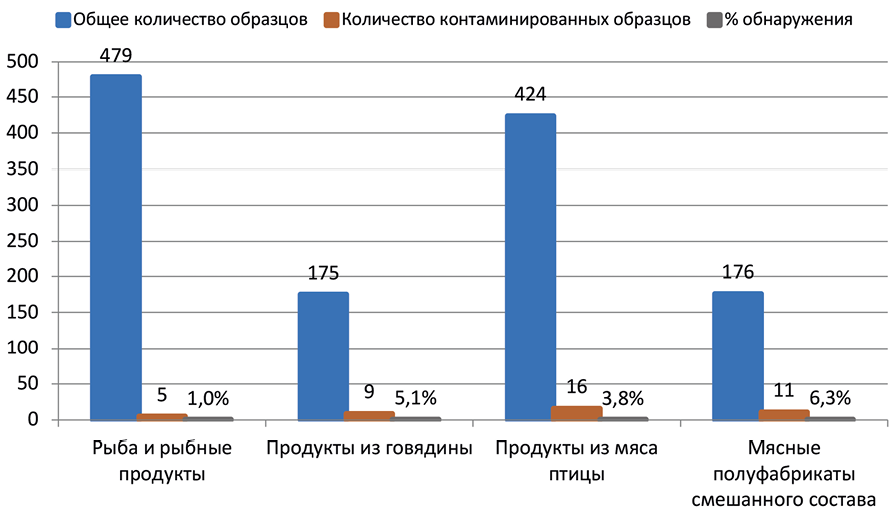
Results. Analysis and synthesis of the obtained data revealed that out of 3,650 tested samples, 57 (1.6%) were contaminated with L. monocytogenes bacteria. The highest number of contaminated samples was found among such product categories as combined semi-finished meat products, beef products, and poultry meat products. The incidence of L. monocytogenes in samples of fishery products was 1.1%. The highest levels of contamination were detected in the following products: minced beef (10.7%), poultry meat products wrapped in dough (9.3%), mechanically deboned poultry meat (7.1%), large-cut semi-finished products (4.6%), beef offal (4.3%), and chopped semi-finished poultry meat products (4.2%).
Conclusion. The test results show that the number of contaminated samples among combined semi-finished meat products was 4.3%, non-compliance with the safety requirements of beef products was detected in 3.7%; 2.8% of poultry product samples were contaminated with L. monocytogenes bacteria. The number and percentage of contaminated samples among frozen and refrigerated products did not significantly differ and amounted to 0.7 and 0.8%, respectively. L. monocytogenes were not detected in samples of dairy and ready-to-eat meat products that do not require heat treatment.
Introduction. Livestock facilities serve as a reservoir for microorganisms of various families and genera, including both opportunistic and pathogenic microorganisms. Continuous microbiological monitoring of the production environment in livestock facilities, along with the detection and identification of microorganisms, allow for the microflora control in these facilities, thereby preventing the risks of infectious diseases and ensuring timely implementation of appropriate veterinary, sanitary, and zoohygienic measures.
Objective. Study of microbial species composition in the production environment of livestock facilities including contamination level and classification of the isolated mircoorganisms by families and disinfectant-resistant groups.
Materials and methods. Swabs from the surfaces in the production facilities for cattle (namely, dairy cow facility, calf facility, calving area, and milking hall) on the cattle farm located in the Omsk Oblast were taken for study of microbial species composition. The microorganisms were classified using ММТ Е24 и ММТ S multi-biochemical microtests and selective nutrient medium.
Results. Tests showed that the microflora circulating in cattle facilities included both pathogenic and opportunistic microorganisms of the following species: Escherichia coli, Proteus mirabilis, Proteus vulgaris, Klebsiella aerogenes, Citrobacter freundii, Morganella morganii, Hafnia alvei, Klebsiella ozaenae, Enterococcus faecalis, Bacillus cereus, Staphylococcus sciuri, Staphylococcus capitis, Staphylococcus simulans, Staphylococcus intermedius and Staphylococcus lentus.
Conclusion. The recovered microorganisms belonged to the families Enterobacteriaceae, Bacillaceae and Staphylococcaceae and to the following disinfectant-resistant groups: low-resistant, moderately-resistant and highly-resistant. The highest microbial load was detected on floor, walls and stall dividers in the facility for dairy cows and in milking hall, the detected microorganisms demonstrated high species diversity. The lowest microbial load was detected in calving area and calf facility.

ISSN 2658-6959 (Online)


